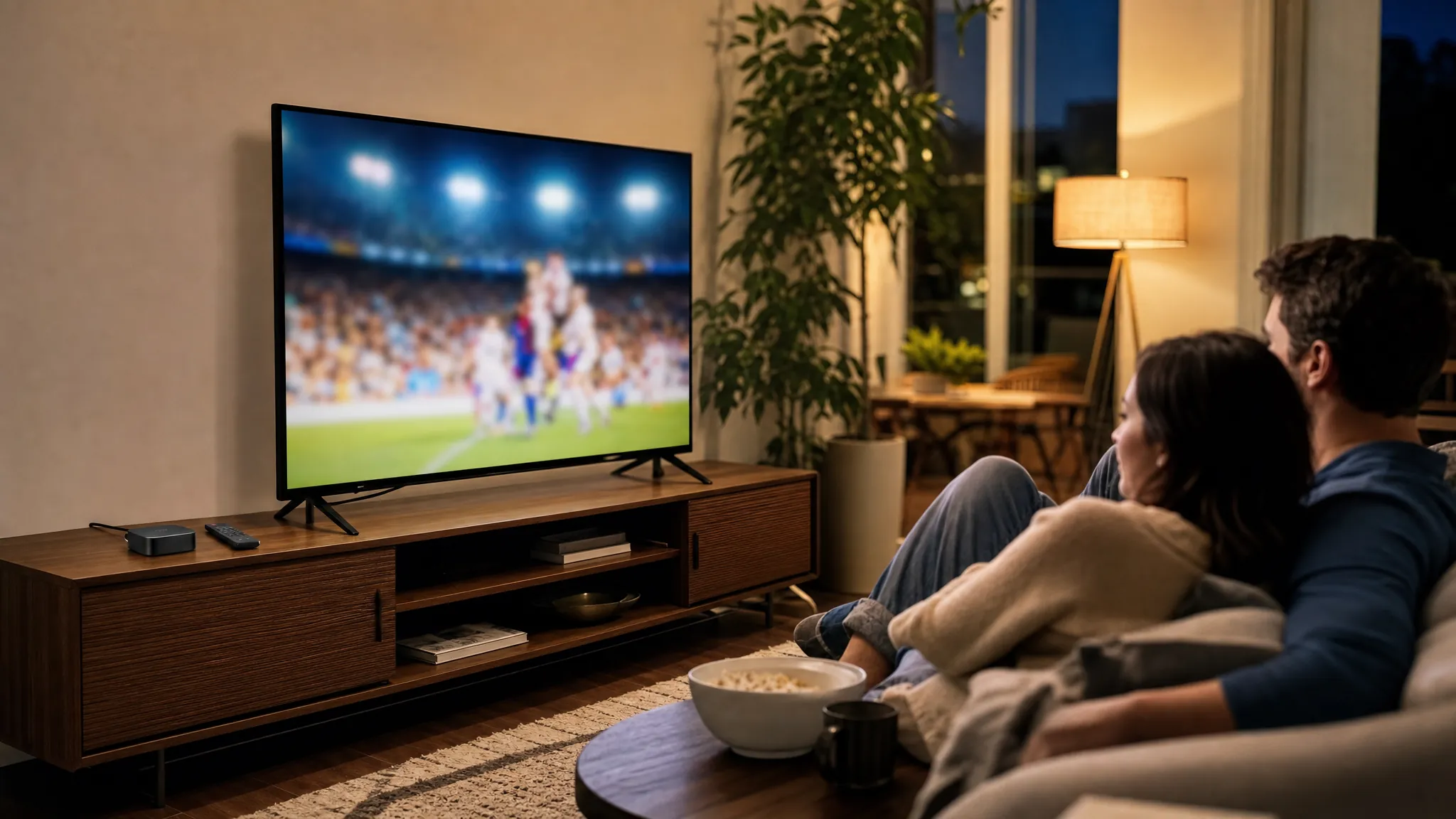
Multiple televisions become useful when the household can use them independently. That could mean local news on one screen while a game is on another, a child watching a favorite show in the family room or a movie continuing after someone leaves the main living area. The service needs to support that flexibility, but the day-to-day setup matters just as much.
Before choosing a plan, check the local stations and programming you care about at your address. Then look at the number of simultaneous streams, device compatibility and the strength of your internet connection. A long channel list is not much help if the home cannot watch the important parts of it where and when it wants.
It also pays to test the household's busiest hour before you call the setup finished. Run live TV in the main room, start another stream where someone usually watches and try the Wi-Fi in the farthest regular viewing area. That small check can reveal a weak signal, a device that needs an update or a screen limit that does not match the way your home really watches.
Keep the solution understandable after the first week. Put the most-used live TV app where it is easy to find, make sure each room has the right sign-in and decide which remote people should use. A reliable multiple-TV setup is not about adding the most hardware. It is about making the next game, show or movie feel easy to start no matter which room the household is in.
When your household includes guests, children or relatives who visit often, that simplicity becomes even more valuable. A clear home screen and a consistent way to reach live TV can save the small frustrations that make a technically capable setup feel harder than it should.
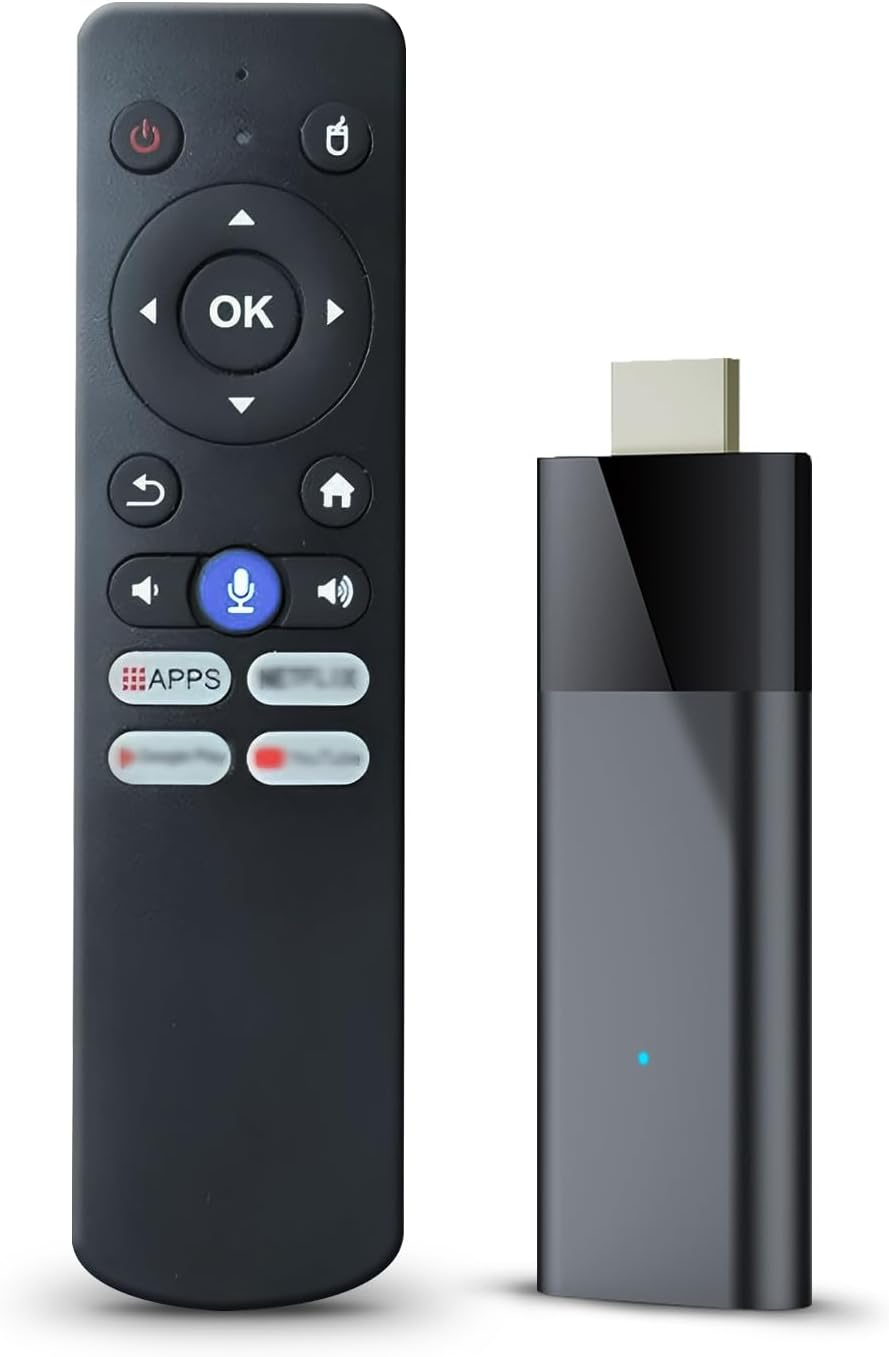
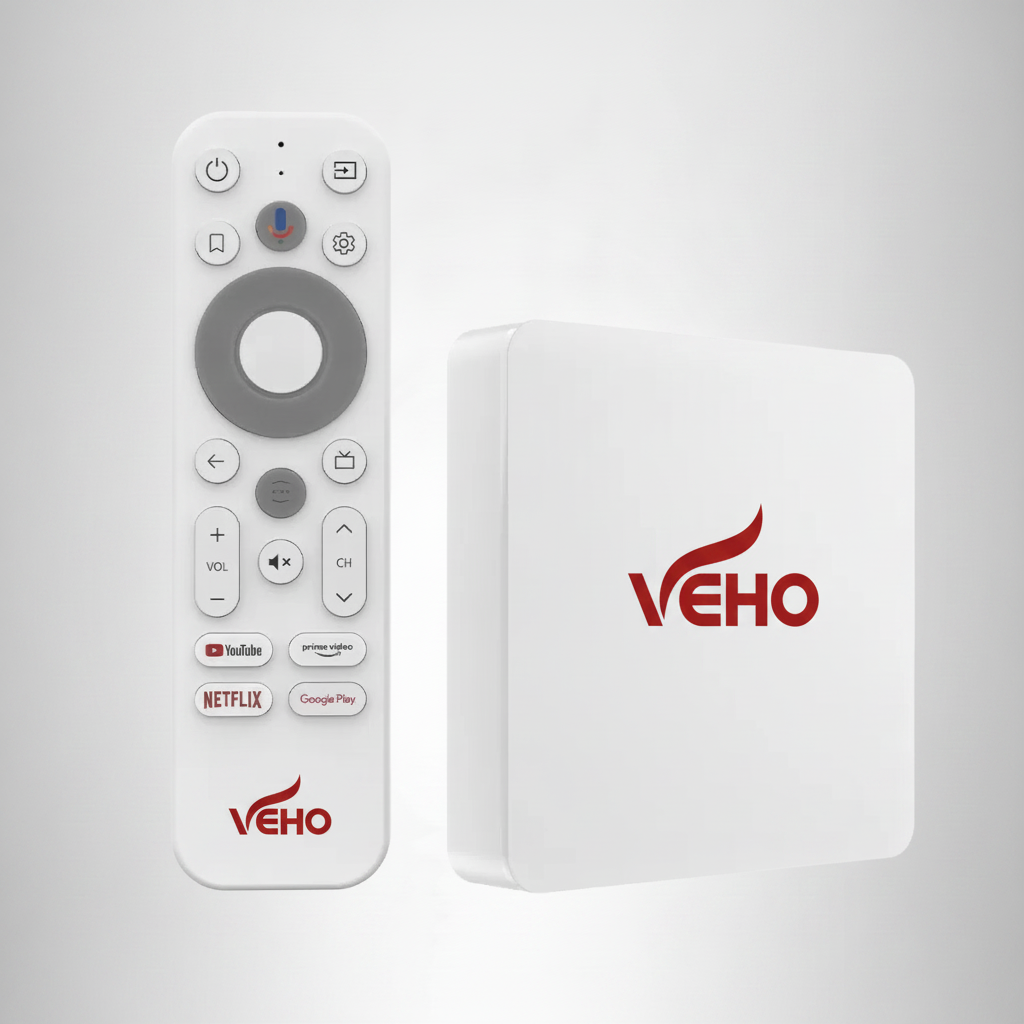
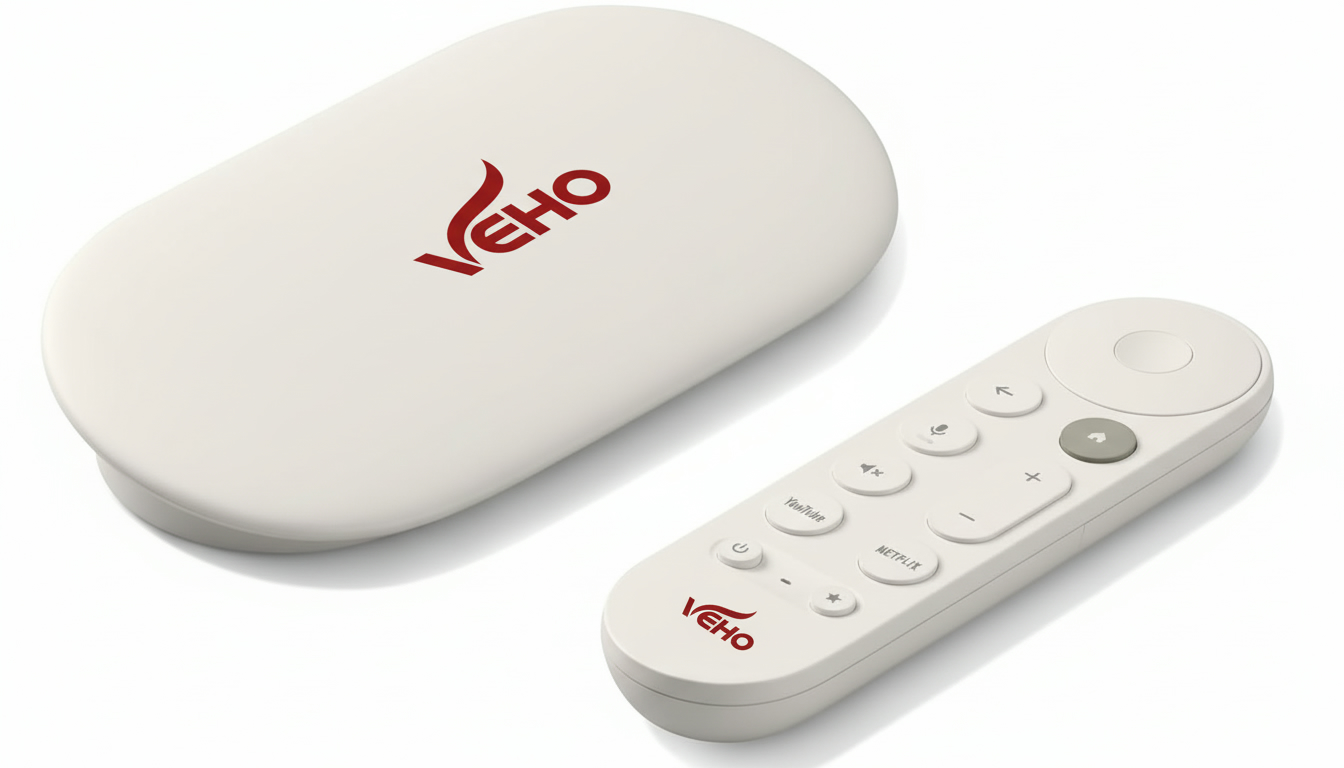
VEHO brings together local programming, news, sports, on-demand entertainment and device choices in one conversation. You do not need to force every room into the same solution. You need a setup that makes the household's usual viewing easy to reach.
Explore live TV streaming for your home →